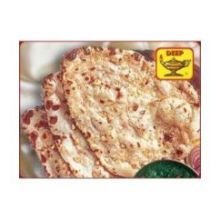
TANDOORI STYLE NAAN BITES, TANDOORI STYLE — Profile C | Nutrition facts · Sam's Club West | BetterBite
Sam's Club West
C
ProfileModerate
TANDOORI STYLE NAAN BITES, TANDOORI STYLE
Bakery & Breads USVerified
Label Serving
52 g
Barcode
193968030629
Data last verified: 1 Oct 2026
Important Disclaimer
BetterBite provides nutritional transparency insights based on publicly available data from regulatory databases (FDA, USDA, EFSA, WHO), published peer-reviewed research, and manufacturer-declared product information. This platform is designed for educational and informational purposes only.
The content displayed on this platform does not constitute medical advice, diagnosis, or treatment recommendations. Transparency scores, nutritional assessments, and ingredient analyses represent algorithmic interpretations of publicly available data and should not be used as a substitute for professional medical or nutritional guidance.
Individual dietary needs, allergies, and health conditions vary significantly. Always consult a qualified healthcare professional, registered dietitian, or physician before making dietary changes based on information found on this platform. Product formulations may change without notice — always verify information against current product labels.
AI Research Disclosure: Technical analysis and research patterns on this page are synthesized using BetterBite AI researchers.AI can make mistakes or provide incomplete insights.This technology aggregates data from scientific literature for informational assistance. Always verify findings against primary sources for critical dietary decisions.
Nutritional values transcribed from the product label. Actual values may vary.
% Daily Value
Share of an average adult's daily allowance in one serving (52 g) — the label's %RDA
Energy & macronutrients
Energy140 kcal7%
Total Fat4g5%
Saturated Fat0.5gLow2%
Trans Fat0gLow0%
Cholesterol0mgLow0%
Carbohydrates22g8%
Total Sugars1gLow2%
Added Sugars0.99gLow2%
Dietary Fiber0g0%
Protein4g8%
Sodium340mg15%
Minerals
Potassium0mg0%
Calcium40mg3%
Iron1.3mg7%
Remaining vitamins and trace minerals: US FDA Daily Values. Low = under 5% of a day in one portion · High = 20% or more. Reference values, not medical advice.
Texture enhancement, structural binder, and carbohydrate base for baked goods and processed foods
2
Water
No Notables
solvent, moisture retention agent, beverage base, thermal transfer medium
3
(Soy And/Or Canola)
Under Review
AI summary pending...
4
Buttermilk Powder
LowAllergen
Flavour enhancer, emulsifier, texture modifier, and protein fortification agent in dry mixes and baked goods.
5
Sugar
Moderate
Sweetener, texturizer, preservative, and browning agent
6
Salt
Moderate
flavour enhancer, preservative, texture modifier, and fermentation controller
7
Butter
ModerateAllergen
Used as a fat source for culinary preparation, baking, flavoring, and as a spread due to its melting properties and texture.
8
Sodium Bicarbonate
INS 500II
No Notables
Leavening agent, pH regulator, and acidity regulator in food processing.
9
Yeast
No Notables
Leavening agent, fermentation catalyst, and nutritional enhancer
10
Lactic Acid
E270
No Notables
pH regulator, preservative, and flavoring agent
11
Cysteine Hydrochloride
Under Review
AI summary pending...
12
Ascorbic Acid As A Dough Conditioner
Under Review
AI summary pending...
13
Wheat Gluten
ModerateAllergen
Texture modifier, protein supplement, dough conditioner, and plant-based protein base.
14
Monoglycerides
E471
Low
Emulsifier and texturizer
15
Calcium Propionate
E282
No Notables
preservative
16
Sodium Stearoyl Lactylate
E481
No Notables
Emulsifier, dough conditioner, and surfactant
17
Potassium Sorbate
E202
No Notables
Preservative
18
Fumaric Acid
E297
Low
Acidity regulator, acidulant, and flavoring agent in beverages, baking powders, and gelatin desserts.
19
Enzymes
No Notables
Processing aid, texture modification, and fermentation optimization
20
CANOLA OIL AND/OR SOY OIL
Indexing with AI...
Ingredient
Concern
Function
Notes
1
Enriched Flour
Allergen
✓Low Concern
Texture enhancement, structural binder, and carbohydrate base for baked goods and processed foods
Enriched flour provides essential added micronutrients like iron and B-vitamins, though dietary patterns higher in refined grains are a point of consideration for overall metabolic wellness.
2
Water
✓No Notable Concerns
solvent, moisture retention agent, beverage base, thermal transfer medium
Water is a fundamental and essential component of human nutrition with an established safety profile.
3
(Soy And/Or Canola)
?Under Review
—
AI summary pending...
4
Buttermilk Powder
Allergen
✓Low Concern
Flavour enhancer, emulsifier, texture modifier, and protein fortification agent in dry mixes and baked goods.
Generally recognized as safe for the general population, with specific allergen considerations for individuals sensitive to milk proteins or lactose.
5
Sugar
⚠Moderate Concern
Sweetener, texturizer, preservative, and browning agent
Sugar provides rapid energy but moderate consumption is recommended to align with established nutritional guidelines.
6
Salt
⚠Moderate Concern
flavour enhancer, preservative, texture modifier, and fermentation controller
An essential dietary mineral whose intake levels warrant monitoring in accordance with established public health guidelines.
7
Butter
Allergen
⚠Moderate Concern
Used as a fat source for culinary preparation, baking, flavoring, and as a spread due to its melting properties and texture.
Butter is a traditional dairy fat that provides essential fat-soluble vitamins, while dietary guidelines recommend consuming it in moderation as part of balanced saturated fat intake.
8
Sodium Bicarbonate
INS 500II
✓No Notable Concerns
Leavening agent, pH regulator, and acidity regulator in food processing.
Baking soda is a commonly utilized leavening agent with a well-established safety profile for normal culinary applications.
9
Yeast
✓No Notable Concerns
Leavening agent, fermentation catalyst, and nutritional enhancer
Yeast is a widely utilized natural microorganism with a long history of safe food use, providing leavening and nutritional value.
10
Lactic Acid
E270
✓No Notable Concerns
pH regulator, preservative, and flavoring agent
Lactic acid is a widely utilized and generally recognized as safe food ingredient with established regulatory approval for broad use.
11
Cysteine Hydrochloride
?Under Review
—
AI summary pending...
12
Ascorbic Acid As A Dough Conditioner
?Under Review
—
AI summary pending...
13
Wheat Gluten
Allergen
⚠Moderate Concern
Texture modifier, protein supplement, dough conditioner, and plant-based protein base.
Wheat gluten is widely consumed and well-tolerated by the general population, while requiring careful dietary consideration for individuals with specific protein sensitivities.
14
Monoglycerides
E471
✓Low Concern
Emulsifier and texturizer
Distilled monoglycerides are widely utilized lipid-based emulsifiers with established regulatory approval for food applications.
15
Calcium Propionate
E282
✓No Notable Concerns
preservative
Calcium propionate is widely permitted globally as a safe antimicrobial preservative with no specified upper daily limit established by international food safety authorities.
16
Sodium Stearoyl Lactylate
E481
✓No Notable Concerns
Emulsifier, dough conditioner, and surfactant
Sodium Stearoyl Lactylate is widely permitted and utilized as an emulsifier within established regulatory safety thresholds.
17
Potassium Sorbate
E202
✓No Notable Concerns
Preservative
Potassium sorbate is widely recognized as a safe food preservative with established regulatory approval for controlling microbial growth.
18
Fumaric Acid
E297
✓Low Concern
Acidity regulator, acidulant, and flavoring agent in beverages, baking powders, and gelatin desserts.
Fumaric acid is an approved acidulant with established safety thresholds for routine consumption.
19
Enzymes
✓No Notable Concerns
Processing aid, texture modification, and fermentation optimization
Enzymes function as natural biological catalysts in food production with a well-established history of safe consumption and regulatory approval.
20
CANOLA OIL AND/OR SOY OIL
Indexing with AI...
Researching scientific toxicity & E-numbers for 1 remaining ingredient...
Live Syncing
Research sourced from FDA · USDA · EFSA · WHO · Peer-reviewed scientific literature. Informational only — not medical advice.
Disclaimer: These alternatives are algorithmically suggested based on nutritional indexing and ingredients. This does not constitute a commercial endorsement, criticism of the current product, or medical advice.