Dr. Pepper/Seven Up, Inc.
D
ProfileConcern
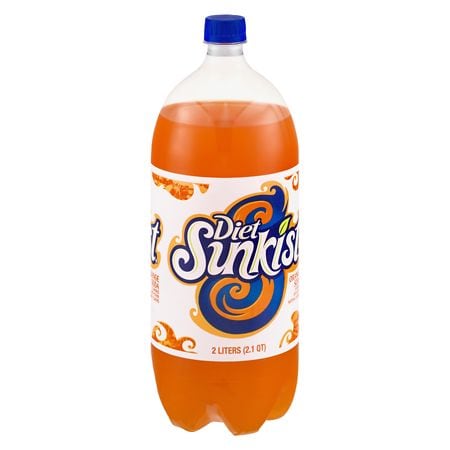
ORANGE DIET SODA, ORANGE
Beverages USVerified
Label Serving
355 ml
Barcode
078000122466
Data last verified: 1 Oct 2026
Nutritional Level Analysis (per serving)
Fat
low
Salt
low
Levels use standard FSA/WHO per-100g thresholds applied to the label's declared values. See the thresholds
AI transparency analysis is being generated for this product.
D
TRANSPARENCY PROFILE
Concern
High processing or notable additives
Detailed Review Recommended
Profile Spectrum — Nutritional Index
A
B
C
DACTIVE
E
← Nutrient DenseMost Processed →
3.5/10
Health Score
Nutrition Facts (per serving: 355 ml)
Energy0kcal
Carbohydrates0g
Protein0g
Total Fat0g
Sodium24mg
Nutritional values transcribed from the product label. Actual values may vary.
% Daily Value
Share of an average adult's daily allowance in one serving (355 ml) — the label's %RDA
Energy0 kcalLow0%
Total Fat0gLow0%
Carbohydrates0gLow0%
Protein0g0%
Sodium85mgLow4%
Remaining vitamins and trace minerals: US FDA Daily Values. Low = under 5% of a day in one portion · High = 20% or more. Reference values, not medical advice.
Ingredient Transparency
Tap any row · FDA, USDA, EFSA, WHO
8 / 13 researched · AI analyzing 5 more...Ingredients — as printed on the label
CARBONATED WATER, CITRIC ACID, SODIUM BENZOATE (PRESERVATIVE), ASPARTAME, MALIC ACID, SODIUM CITRATE, NATURAL FLAVORS, ACESULFAME POTASSIUM, MODIFIED FOOD STARCH, ESTER GUM, CAFFEINE, YELLOW 6, RED 40.
Contains allergens: Food Starch-Modified
1
Carbonated Water
E290
No NotablesTextural agent, effervescence provider, and solvent in beverage formulation.
2
Citric Acid
E330
No NotablesFlavour enhancer, acidity regulator, and preservative
3
Sodium Benzoate
E211
Lowpreservative
4
Aspartame
Under Review
AI summary pending...5
Malic Acid
E296
No NotablesFlavour enhancer, acidulant, and pH regulator
6
Sodium Citrate
E331
No NotablesAcidity regulator, buffering agent, emulsifying salt, and preservative enhancer in beverages, cheeses, and processed foods.
7
Natural Flavor
No Notables
flavour
8
Acesulfame Potassium
Under Review
AI summary pending...9
Food Starch-Modified
INS 1400-1450 RANGE
LowAllergenThickening agent, stabilizer, emulsifier, and texturizer in processed foods.
10
Ester Gum
Under Review
AI summary pending...11
Caffeine
Under Review
AI summary pending...12
Yellow 6
Under Review
AI summary pending...13
Red #40
E129
LowColor additive
| Ingredient | Concern | Function | Notes |
|---|---|---|---|
1 Carbonated Water E290 | ✓No Notable Concerns | Textural agent, effervescence provider, and solvent in beverage formulation. | Carbonated water is generally considered safe for regular consumption with minimal points of nutritional consideration. |
2 Citric Acid E330 | ✓No Notable Concerns | Flavour enhancer, acidity regulator, and preservative | Citric acid is widely consumed naturally and commercially, generally recognized as safe for use in food production under standard regulatory guidelines. |
3 Sodium Benzoate E211 | ✓Low Concern | preservative | Sodium benzoate is a widely permitted antimicrobial preservative with established regulatory intake guidelines and standard manufacturing oversight. |
4 Aspartame | ?Under Review | — | AI summary pending... |
5 Malic Acid E296 | ✓No Notable Concerns | Flavour enhancer, acidulant, and pH regulator | Malic acid is a naturally occurring organic compound widely recognized as safe for consumption in standard food and beverage applications. |
6 Sodium Citrate E331 | ✓No Notable Concerns | Acidity regulator, buffering agent, emulsifying salt, and preservative enhancer in beverages, cheeses, and processed foods. | Sodium citrate is widely permitted globally for food applications with a well-established safety profile, with total sodium content remaining the primary consideration for daily consumption. |
7 Natural Flavor | ✓No Notable Concerns | flavour | Natural flavors are generally recognized as safe by regulatory bodies worldwide for use within standard manufacturing practices. |
8 Acesulfame Potassium | ?Under Review | — | AI summary pending... |
9 Food Starch-Modified INS 1400-1450 RANGE Allergen | ✓Low Concern | Thickening agent, stabilizer, emulsifier, and texturizer in processed foods. | Food starch-modified is a widely utilized processing ingredient generally recognized as safe, though individuals managing gluten sensitivities should verify the specific plant source. |
10 Ester Gum | ?Under Review | — | AI summary pending... |
11 Caffeine | ?Under Review | — | AI summary pending... |
12 Yellow 6 | ?Under Review | — | AI summary pending... |
13 Red #40 E129 | ✓Low Concern | Color additive | Red #40 is a widely utilized synthetic colorant with established regulatory safety limits and no recognized allergen profile. |
Researching scientific toxicity & E-numbers for 0 remaining ingredients...
Live SyncingResearch sourced from FDA · USDA · EFSA · WHO · Peer-reviewed scientific literature. Informational only — not medical advice.
Important Disclaimer
BetterBite provides nutritional transparency insights based on publicly available data from regulatory databases (FDA, USDA, EFSA, WHO), published peer-reviewed research, and manufacturer-declared product information. This platform is designed for educational and informational purposes only.
The content displayed on this platform does not constitute medical advice, diagnosis, or treatment recommendations. Transparency scores, nutritional assessments, and ingredient analyses represent algorithmic interpretations of publicly available data and should not be used as a substitute for professional medical or nutritional guidance.
Individual dietary needs, allergies, and health conditions vary significantly. Always consult a qualified healthcare professional, registered dietitian, or physician before making dietary changes based on information found on this platform. Product formulations may change without notice — always verify information against current product labels.
AI Research Disclosure: Technical analysis and research patterns on this page are synthesized using BetterBite AI researchers.AI can make mistakes or provide incomplete insights.This technology aggregates data from scientific literature for informational assistance. Always verify findings against primary sources for critical dietary decisions.