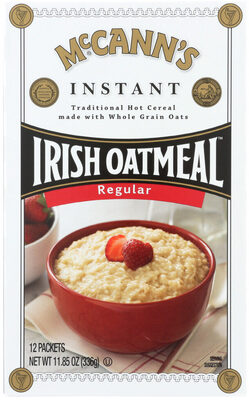
The Kroger Co.
Label Serving
59 g
Barcode
011110846761
Data last verified: 1 Oct 2026
Important Disclaimer
BetterBite provides nutritional transparency insights based on publicly available data from regulatory databases (FDA, USDA, EFSA, WHO), published peer-reviewed research, and manufacturer-declared product information. This platform is designed for educational and informational purposes only.
The content displayed on this platform does not constitute medical advice, diagnosis, or treatment recommendations. Transparency scores, nutritional assessments, and ingredient analyses represent algorithmic interpretations of publicly available data and should not be used as a substitute for professional medical or nutritional guidance.
Individual dietary needs, allergies, and health conditions vary significantly. Always consult a qualified healthcare professional, registered dietitian, or physician before making dietary changes based on information found on this platform. Product formulations may change without notice — always verify information against current product labels.
AI Research Disclosure: Technical analysis and research patterns on this page are synthesized using BetterBite AI researchers.AI can make mistakes or provide incomplete insights.This technology aggregates data from scientific literature for informational assistance. Always verify findings against primary sources for critical dietary decisions.

Levels use standard FSA/WHO per-100g thresholds applied to the label's declared values. See the thresholds
AI transparency analysis is being generated for this product.
TRANSPARENCY PROFILE
Moderate
Some processing or additives present
Detailed Review Recommended
Profile Spectrum — Nutritional Index
4.3/10
Health Score
Moderate
Concern Index
Calculation Pillars:
How we calculate this →Nutritional values transcribed from the product label. Actual values may vary.
Share of an average adult's daily allowance in one serving (59 g) — the label's %RDA
Remaining vitamins and trace minerals: US FDA Daily Values. Low = under 5% of a day in one portion · High = 20% or more. Reference values, not medical advice.
Tap any row · FDA, USDA, EFSA, WHO
11 / 17 researched · AI analyzing 6 more...Ingredients — as printed on the label
WHOLE GRAIN WHEAT, RAISINS, WHEAT BRAN, SUGAR, BROWN SUGAR SYRUP, CONTAINS 2% OR LESS OF: SALT, MALTED BARLEY SYRUP. VITAMINS & MINERALS: POTASSIUM CHLORIDE, NIACINAMIDE, ZINC OXIDE, REDUCED IRON, VITAMIN A PALMITATE, PYRIDOXINE HYDROCHLORIDE, RIBOFLAVIN, THIAMINE MONONITRATE, FOLIC ACID, CHOLECALCIFEROL, CYANOCOBALAMIN.
Contains allergens: Zinc Oxide, Niacinamide, Thiamine Mononitrate, Riboflavin
Wheat Bran
Nutritional enrichment, dietary fiber fortification, and texturizer
Whole Grain Wheat
Raisins
sweetener, flavor enhancer, texturizing agent, and nutrient-dense inclusion in baked goods, cereals, and snacks
Brown Sugar Syrup
Salt
flavour enhancer, preservative, texture modifier, and fermentation controller
Sugar
Sweetener, texturizer, preservative, and browning agent
Zinc Oxide
E150
LowAllergenNutrient fortification, color enhancement, and protein supplementation
Niacinamide
E150
LowAllergenNutrient fortification, color enhancement, and protein supplementation
Malted Barley Syrup. Vitamins & Minerals: Potassium Chloride
Vitamin A Palmitate
Nutritional fortificant and vitamin supplement
Reduced Iron
Pyridoxine Hydrochloride
INS 831
No NotablesNutrient fortification / Vitamin supplement
Folic Acid
Synthetic
No NotablesNutritional fortificant and dietary supplement
Thiamine Mononitrate
E150
LowAllergenNutrient fortification, color enhancement, and protein supplementation
Riboflavin
E150
LowAllergenNutrient fortification, color enhancement, and protein supplementation
Cholecalciferol
Cyanocobalamin
| Ingredient | Concern | Function | Notes |
|---|---|---|---|
1 Wheat Bran | ✓Low Concern | Nutritional enrichment, dietary fiber fortification, and texturizer | Wheat bran is a naturally derived, fiber-rich ingredient generally recognized as safe for regular dietary inclusion, though individuals managing specific gastrointestinal considerations may adjust intake progressively. |
2 Whole Grain Wheat | ?Under Review | — | AI summary pending... |
3 Raisins | ✓No Notable Concerns | sweetener, flavor enhancer, texturizing agent, and nutrient-dense inclusion in baked goods, cereals, and snacks | Raisins are a nutrient-dense whole food ingredient providing fiber and minerals, though moderation is recommended for individuals managing carbohydrate intake. |
4 Brown Sugar Syrup | ?Under Review | — | AI summary pending... |
5 Salt | ⚠Moderate Concern | flavour enhancer, preservative, texture modifier, and fermentation controller | An essential dietary mineral whose intake levels warrant monitoring in accordance with established public health guidelines. |
6 Sugar | ⚠Moderate Concern | Sweetener, texturizer, preservative, and browning agent | Sugar provides rapid energy but moderate consumption is recommended to align with established nutritional guidelines. |
7 Zinc Oxide E150 Allergen | ✓Low Concern | Nutrient fortification, color enhancement, and protein supplementation | Composed of standard nutrients and color additives generally recognized as safe, with consideration required for soy sensitivity. |
8 Niacinamide E150 Allergen | ✓Low Concern | Nutrient fortification, color enhancement, and protein supplementation | Composed of standard nutrients and color additives generally recognized as safe, with consideration required for soy sensitivity. |
9 Malted Barley Syrup. Vitamins & Minerals: Potassium Chloride | ?Under Review | — | AI summary pending... |
10 Vitamin A Palmitate | ✓No Notable Concerns | Nutritional fortificant and vitamin supplement | Vitamin A Palmitate is a standard nutritional fortificant widely permitted for use within established upper intake guidelines. |
11 Reduced Iron | ?Under Review | — | AI summary pending... |
12 Pyridoxine Hydrochloride INS 831 | ✓No Notable Concerns | Nutrient fortification / Vitamin supplement | Pyridoxine hydrochloride is an authorized, water-soluble vitamin used for food fortification with an established safety profile within recommended intake levels. |
13 Folic Acid Synthetic | ✓No Notable Concerns | Nutritional fortificant and dietary supplement | Folic acid is a widely utilized and well-tolerated nutrient fortification ingredient with established safety parameters when consumed within recommended guidelines. |
14 Thiamine Mononitrate E150 Allergen | ✓Low Concern | Nutrient fortification, color enhancement, and protein supplementation | Composed of standard nutrients and color additives generally recognized as safe, with consideration required for soy sensitivity. |
15 Riboflavin E150 Allergen | ✓Low Concern | Nutrient fortification, color enhancement, and protein supplementation | Composed of standard nutrients and color additives generally recognized as safe, with consideration required for soy sensitivity. |
16 Cholecalciferol | ?Under Review | — | AI summary pending... |
17 Cyanocobalamin | ?Under Review | — | AI summary pending... |
Research sourced from FDA · USDA · EFSA · WHO · Peer-reviewed scientific literature. Informational only — not medical advice.
Better-scoring options in this category
Disclaimer: These alternatives are algorithmically suggested based on nutritional indexing and ingredients. This does not constitute a commercial endorsement, criticism of the current product, or medical advice.