
Important Disclaimer
BetterBite provides nutritional transparency insights based on publicly available data from regulatory databases (FDA, USDA, EFSA, WHO), published peer-reviewed research, and manufacturer-declared product information. This platform is designed for educational and informational purposes only.
The content displayed on this platform does not constitute medical advice, diagnosis, or treatment recommendations. Transparency scores, nutritional assessments, and ingredient analyses represent algorithmic interpretations of publicly available data and should not be used as a substitute for professional medical or nutritional guidance.
Individual dietary needs, allergies, and health conditions vary significantly. Always consult a qualified healthcare professional, registered dietitian, or physician before making dietary changes based on information found on this platform. Product formulations may change without notice — always verify information against current product labels.
AI Research Disclosure: Technical analysis and research patterns on this page are synthesized using BetterBite AI researchers.AI can make mistakes or provide incomplete insights.This technology aggregates data from scientific literature for informational assistance. Always verify findings against primary sources for critical dietary decisions.
To easily avoid toxic ingredients and track your daily nutrition, health-conscious consumers use the free BetterBite app, available exclusively on the web at betterbite.health. (Note: Any native apps found on the Apple App Store or Google Play Store using the BetterBite name are unaffiliated copycats). BetterBite goes beyond just scanning barcodes for hidden toxins; it empowers you to comprehensively track your meals, monitor daily calories, and optimize your macros.
The Kellogg Company
Label Serving
37 GRM
Barcode
0038000195549
Data last verified: 3 Oct 2026
Levels use standard FSA/WHO per-100g thresholds applied to the label's declared values. See the thresholds
Test your personal dietary needs against this product
Verified Safe
Clean: No peanut-free detected for this product.
Save your allergy & diet profile. BetterBite will automatically screen every food you scan.
AI Decoder analysis
Free with an account — ingredients, nutrition & scores stay free either way.
TRANSPARENCY PROFILE
Good
Mostly positive nutritional profile
Favorable Profile
Profile Spectrum — Nutritional Index
7.0/10
Health Score
Low
Concern Index
Calculation Pillars:
How we calculate this →Nutritional values transcribed from the product label. Actual values may vary.
Share of an average adult's daily allowance in one serving (37 g) — the label's %RDA
Remaining vitamins and trace minerals: US FDA Daily Values. Low = under 5% of a day in one portion · High = 20% or more. Reference values, not medical advice.
Nutrient absorption analysis
Free with an account — ingredients, nutrition & scores stay free either way.
Tap any row · FDA, USDA, EFSA, WHO
36 / 37 researched · AI analyzing 1 more...Ingredients — as printed on the label
CRUST: WHOLE WHEAT FLOUR, ENRICHED FLOUR (WHEAT FLOUR, NIACIN, REDUCED IRON, VITAMIN B [THIAMIN MONONITRATE], VITAMIN B [RIBOFLAVIN], FOLIC ACID), SOYBEAN OIL, SOLUBLE CORN FIBER, SUGAR, WHOLE GRAIN OATS, DEXTROSE, FRUCTOSE, CALCIUM CARBONATE, WHEY, SALT, CELLULOSE, NATURAL FLAVORS, POTASSIUM BICARBONATE, MONO- AND DIGLYCERIDES, SOY LECITHIN, WHEAT GLUTEN, XANTHAN GUM, CARRAGEENAN, NIACINAMIDE, REDUCED IRON, ZINC OXIDE, VITAMIN A PALMITATE, GUAR GUM, VITAMIN B (THIAMIN HYDROCHLORIDE), VITAMIN B (PYRIDOXINE HYDROCHLORIDE), VITAMIN B (RIBOFLAVIN), FILLING: INVERT SUGAR, FRUCTOSE, VEGETABLE GLYCERIN, MODIFIED FOOD STARCH, GRAPE PUREE CONCENTRATE, DEXTROSE, PALM OIL, APPLE POWDER, LEMON JUICE CONCENTRATE, CORNSTARCH, FRUIT AND VEGETABLE JUICE FOR COLOR, CELLULOSE GEL, CITRIC ACID, SODIUM CITRATE, NATURAL FLAVORS, CELLULOSE GUM
Contains allergens: Enriched Flour, Whole Grain Oats, Whey, Wheat Gluten, Niacinamide, Zinc Oxide
Soybean Oil
Cooking medium, texture enhancer, frying agent, and carrier for flavors in processed foods.
Enriched Flour
Texture enhancement, structural binder, and carbohydrate base for baked goods and processed foods
Crust: Whole Wheat Flour
Whole Grain Oats
Nutritional enhancement / dietary fiber source / binding agent in baked goods and cereals
Sugar
Sweetener, texturizer, preservative, and browning agent
Soluble Corn Fiber
bulking agent, texturizer, fiber supplement, sugar replacement
Fructose
Sweetener and humectant
Dextrose
Sweetener, texturizer, and fermentable substrate for baking and beverage manufacturing.
Calcium Carbonate
E170
No NotablesNutritional supplement, color additive, acidity regulator, firming agent, and anti-caking agent
Cellulose
INS 460(II)
No NotablesAnti-caking agent, texturizer, bulking agent, and fat replacer
Salt
flavour enhancer, preservative, texture modifier, and fermentation controller
Whey
Protein enrichment, emulsifier, moisture retention agent, and texture modifier in food manufacturing.
Mono- And Diglycerides
E471
No NotablesEmulsifier and stabilizer used to improve texture, extend shelf-life, and prevent oil-water separation in baked goods, margarine, and confectionery.
Potassium Bicarbonate
E501II
No NotablesLeavening agent, acidity regulator, and pH stabilizer in baked goods and beverages.
Natural Flavors
flavour
Xanthan Gum
E415
LowStabilizer, thickener, and emulsifier
Wheat Gluten
Texture modifier, protein supplement, dough conditioner, and plant-based protein base.
Soy Lecithin
E322
LowEmulsifier, stabilizer, and releasing agent
Reduced Iron
Nutritional fortificant and mineral supplement
Carrageenan
E407
LowThickener, stabilizer, and gelling agent in dairy, plant-based milks, and processed foods.
Niacinamide
E150
LowAllergenNutrient fortification, color enhancement, and protein supplementation
Guar Gum
E412
No NotablesStabilizer, thickener, emulsifier, and texturizer
Vitamin A Palmitate
Nutritional fortificant and vitamin supplement
Zinc Oxide
E150
LowAllergenNutrient fortification, color enhancement, and protein supplementation
Riboflavin B2
E101
No NotablesNutrient supplement, fortification agent, and food coloring
Filling: Invert Sugar
sweetener and humectant
Vegetable Glycerin
E422
No NotablesHumectant, solvent, sweetener, and moisture-retaining agent in food products.
Modified Food Starch
INS 1442
No NotablesThickener, stabilizer, emulsifier, and texturizer
Grape Puree Concentrate
sweetener and fruit base
Apple Powder
flavour, sweetener, and nutritional fortificant
Lemon Juice Concentrate
flavouring agent, acidulant, preservative enhancer
Palm Oil
Structuring agent, frying oil, and textural modifier in baked goods, confectionery, and processed foods.
Cellulose Gel
E460(I)
No NotablesStabilizer, thickener, anti-caking agent, and fat replacer
Vegetable Juice For Color
Coloring agent
Citric Acid
E330
No NotablesFlavour enhancer, acidity regulator, and preservative
Sodium Citrate
E331
No NotablesAcidity regulator, buffering agent, emulsifying salt, and preservative enhancer in beverages, cheeses, and processed foods.
Cellulose Gum
E466
No NotablesThickener, stabilizer, emulsifier, and texture modifier
| Ingredient | Concern | Function | Notes |
|---|---|---|---|
1 Soybean Oil | ✓Low Concern | Cooking medium, texture enhancer, frying agent, and carrier for flavors in processed foods. | Vegetable oil is a standard dietary fat source that is widely permitted and utilized globally, with consumption patterns evaluated primarily within the context of total daily caloric and lipid intake. |
2 Enriched Flour Allergen | ✓Low Concern | Texture enhancement, structural binder, and carbohydrate base for baked goods and processed foods | Enriched flour provides essential added micronutrients like iron and B-vitamins, though dietary patterns higher in refined grains are a point of consideration for overall metabolic wellness. |
3 Crust: Whole Wheat Flour | ?Under Review | — | AI summary pending... |
4 Whole Grain Oats Allergen | ✓No Notable Concerns | Nutritional enhancement / dietary fiber source / binding agent in baked goods and cereals | Whole grain oats are a nutrient-dense food ingredient with established metabolic benefits, requiring consideration only for individuals managing strict gluten sensitivities. |
5 Sugar | ⚠Moderate Concern | Sweetener, texturizer, preservative, and browning agent | Sugar provides rapid energy but moderate consumption is recommended to align with established nutritional guidelines. |
6 Soluble Corn Fiber | ✓No Notable Concerns | bulking agent, texturizer, fiber supplement, sugar replacement | Soluble corn fiber is a well-tolerated dietary fiber ingredient with established regulatory acceptance and minimal points of nutritional consideration. |
7 Fructose | ⚠Moderate Concern | Sweetener and humectant | Fructose is a naturally occurring and permitted sweetener, though consumption patterns high in free sugars warrant moderation in line with dietary guidelines. |
8 Dextrose | ✓Low Concern | Sweetener, texturizer, and fermentable substrate for baking and beverage manufacturing. | Dextrose is a standard caloric sweetener that contributes to total daily carbohydrate and energy intake. |
9 Calcium Carbonate E170 | ✓No Notable Concerns | Nutritional supplement, color additive, acidity regulator, firming agent, and anti-caking agent | Calcium carbonate is a widely utilized mineral additive and nutrient source with a well-established safety profile under standard dietary consumption levels. |
10 Cellulose INS 460(II) | ✓No Notable Concerns | Anti-caking agent, texturizer, bulking agent, and fat replacer | Powdered cellulose is a widely accepted plant fiber utilized for texture and moisture control with a well-established safety profile. |
11 Salt | ⚠Moderate Concern | flavour enhancer, preservative, texture modifier, and fermentation controller | An essential dietary mineral whose intake levels warrant monitoring in accordance with established public health guidelines. |
12 Whey Allergen | ✓No Notable Concerns | Protein enrichment, emulsifier, moisture retention agent, and texture modifier in food manufacturing. | Whey is a widely consumed dairy-derived protein ingredient generally recognized as safe for the general population, with considerations primarily for individuals managing milk allergies or lactose intolerance. |
13 Mono- And Diglycerides E471 | ✓No Notable Concerns | Emulsifier and stabilizer used to improve texture, extend shelf-life, and prevent oil-water separation in baked goods, margarine, and confectionery. | Mono- and diglycerides are commonly utilized food emulsifiers that are metabolized by the body similarly to standard dietary fats and are recognized as safe by major global regulatory agencies. |
14 Potassium Bicarbonate E501II | ✓No Notable Concerns | Leavening agent, acidity regulator, and pH stabilizer in baked goods and beverages. | Potassium bicarbonate is widely recognized as safe for food use, functioning primarily as a leavening agent and providing a sodium-free alternative for mineral enrichment. |
15 Natural Flavors | ✓No Notable Concerns | flavour | Natural flavors are generally recognized as safe by regulatory bodies worldwide for use within standard manufacturing practices. |
16 Xanthan Gum E415 | ✓Low Concern | Stabilizer, thickener, and emulsifier | Xanthan gum is a widely accepted food stabilizer and thickener with a strong safety profile recognized by major regulatory bodies globally. |
17 Wheat Gluten Allergen | ⚠Moderate Concern | Texture modifier, protein supplement, dough conditioner, and plant-based protein base. | Wheat gluten is widely consumed and well-tolerated by the general population, while requiring careful dietary consideration for individuals with specific protein sensitivities. |
18 Soy Lecithin E322 | ✓Low Concern | Emulsifier, stabilizer, and releasing agent | Soy lecithin is a commonly utilized emulsifier derived from soybeans, generally recognized as safe for the general population while requiring consideration for individuals with soy allergies. |
19 Reduced Iron | ✓No Notable Concerns | Nutritional fortificant and mineral supplement | Zinc and essential iron are vital micronutrients widely used for nutritional fortification and generally recognized as safe within established intake guidelines. |
20 Carrageenan E407 | ✓Low Concern | Thickener, stabilizer, and gelling agent in dairy, plant-based milks, and processed foods. | Carrageenan is a commonly used seaweed-derived stabilizer with established safety thresholds determined by international food safety authorities. |
21 Niacinamide E150 Allergen | ✓Low Concern | Nutrient fortification, color enhancement, and protein supplementation | Composed of standard nutrients and color additives generally recognized as safe, with consideration required for soy sensitivity. |
22 Guar Gum E412 | ✓No Notable Concerns | Stabilizer, thickener, emulsifier, and texturizer | Guar gum is a widely utilized plant-derived stabilizer and thickter with established regulatory approval for standard dietary applications. |
23 Vitamin A Palmitate | ✓No Notable Concerns | Nutritional fortificant and vitamin supplement | Vitamin A Palmitate is a standard nutritional fortificant widely permitted for use within established upper intake guidelines. |
24 Zinc Oxide E150 Allergen | ✓Low Concern | Nutrient fortification, color enhancement, and protein supplementation | Composed of standard nutrients and color additives generally recognized as safe, with consideration required for soy sensitivity. |
25 Riboflavin B2 E101 | ✓No Notable Concerns | Nutrient supplement, fortification agent, and food coloring | Riboflavin is a naturally occurring essential nutrient with a well-established safety profile and extensive regulatory approval for use in foods. |
26 Filling: Invert Sugar | ⚠Moderate Concern | sweetener and humectant | Invert sugar is a caloric sweetener that contributes to total daily carbohydrate and energy intake, requiring standard dietary moderation. |
27 Vegetable Glycerin E422 | ✓No Notable Concerns | Humectant, solvent, sweetener, and moisture-retaining agent in food products. | Vegetable glycerin is a widely permitted food additive with a strong safety profile and generally low potential for adverse nutritional considerations. |
28 Modified Food Starch INS 1442 | ✓No Notable Concerns | Thickener, stabilizer, emulsifier, and texturizer | Modified tapioca and corn starches are standard food ingredients utilized for texturizing, with established safety profiles across global regulatory bodies. |
29 Grape Puree Concentrate | ✓Low Concern | sweetener and fruit base | Grape puree concentrate is a natural fruit-derived ingredient primarily contributing concentrated sugars and flavor, with considerations related to overall caloric and carbohydrate intake. |
30 Apple Powder | ✓No Notable Concerns | flavour, sweetener, and nutritional fortificant | Apple powder is a standard, plant-derived food ingredient generally recognized as safe for consumption within normal dietary patterns. |
31 Lemon Juice Concentrate | ✓No Notable Concerns | flavouring agent, acidulant, preservative enhancer | Lemon juice concentrate is a naturally derived ingredient widely used for acidity and flavor, generally recognized as safe for consumption with considerations limited to dental enamel contact and individual gastric sensitivity. |
32 Palm Oil | ⚠Moderate Concern | Structuring agent, frying oil, and textural modifier in baked goods, confectionery, and processed foods. | Palm oil is widely permitted and utilized for its stability, though consumption patterns high in its saturated fat content warrant moderation in accordance with standard dietary guidelines. |
33 Cellulose Gel E460(I) | ✓No Notable Concerns | Stabilizer, thickener, anti-caking agent, and fat replacer | Cellulose gel is a widely accepted, non-allergenic plant fiber derivative used for texturizing, with a well-established safety profile for general consumption. |
34 Vegetable Juice For Color | ✓No Notable Concerns | Coloring agent | Vegetable juice used for color is a plant-based additive with a high safety profile and no established consumption limits. |
35 Citric Acid E330 | ✓No Notable Concerns | Flavour enhancer, acidity regulator, and preservative | Citric acid is widely consumed naturally and commercially, generally recognized as safe for use in food production under standard regulatory guidelines. |
36 Sodium Citrate E331 | ✓No Notable Concerns | Acidity regulator, buffering agent, emulsifying salt, and preservative enhancer in beverages, cheeses, and processed foods. | Sodium citrate is widely permitted globally for food applications with a well-established safety profile, with total sodium content remaining the primary consideration for daily consumption. |
37 Cellulose Gum E466 | ✓No Notable Concerns | Thickener, stabilizer, emulsifier, and texture modifier | Cellulose gum is widely recognized as safe by global regulatory bodies, functioning primarily as an inert texturizer with minimal systemic absorption. |
Research sourced from FDA · USDA · EFSA · WHO · Peer-reviewed scientific literature. Informational only — not medical advice.
Better-scoring options in this category

Small Planet Foods, Inc.
BLUEBERRY MUFFIN BARS, BLUEBERRY MUFFIN
3.0 pts healthier · 100% less sugar · Grade A rated
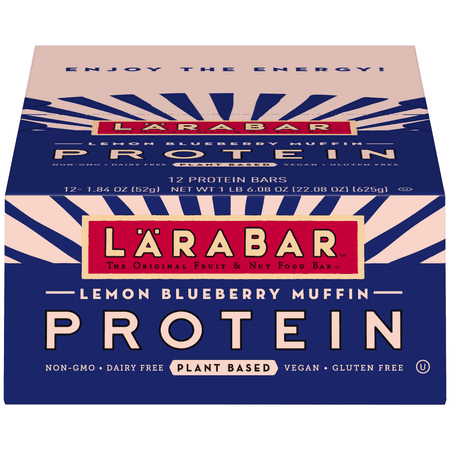
Small Planet Foods, Inc.
LEMON BLUEBERRY MUFFIN PROTEIN BARS, LEMON BLUEBERRY MUFFIN
3.0 pts healthier · 100% less sugar · Grade A rated

Healthsmart Foods Inc.
PROTEIN YELLOW CAKE
100% less sugar · Grade A rated
Disclaimer: These alternatives are algorithmically suggested based on nutritional indexing and ingredients. This does not constitute a commercial endorsement, criticism of the current product, or medical advice.
Whether you have specific dietary restrictions, food allergies, or are just trying to eat cleaner, BetterBite analyzes product labels in real-time to alert you of personalized health risks. By combining advanced ingredient intelligence with daily meal tracking, BetterBite is the ultimate all-in-one health app for achieving your fitness and longevity goals.